



Want to do a little renovating, but short on time? Here are some great ideas you can pull off in just one weekend!
1. Refresh a room with a fresh coat of paint
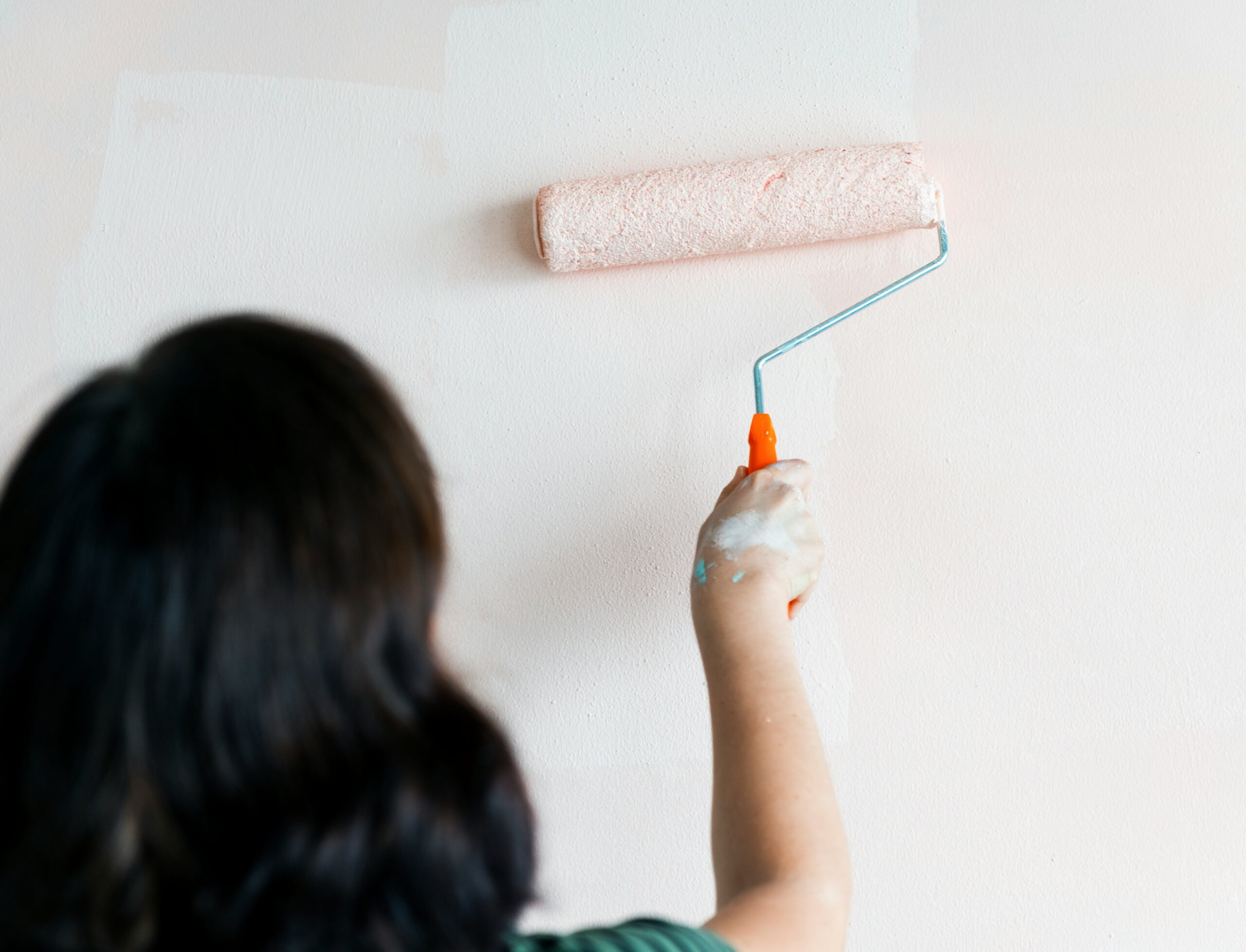
Painting a room is the most cost-effective and impactful way to transform a space. In just two days, you can completely refresh a color, touch up scuffs or crayon marks, and brighten up a room.
Take advantage of the opportunity to use modern neutral tones that help potential buyers imagine themselves living there, or pick a color that inspires you to add a little personality to your decor.
2. Add storage to unused spaces
If you have a small home or are simply tight on space, put unused corners and underutilized spots to good use.
- Install shelving in unused spots.
- Slide boxes or drawers under the bed or other furniture.
- Convert the space under the stairs into extra storage.
- Attach hooks or brackets to the back of doors.
Adding storage helps keep your home clean, organized, and clutter-free. Beyond improving your daily life, these small upgrades can make your property more functional and attractive to potential buyers when it comes time to sell.
3. Regrout tile
We often tend to put this task off, yet yellowed, cracked, or moldy grout instantly makes a room look neglected.
In just half a day and on a budget, replacing the old caulk around the tub, shower, sink, or kitchen counter is all it takes to give the room an instant refresh.
4. Upgrade kitchen and bathroom hardware
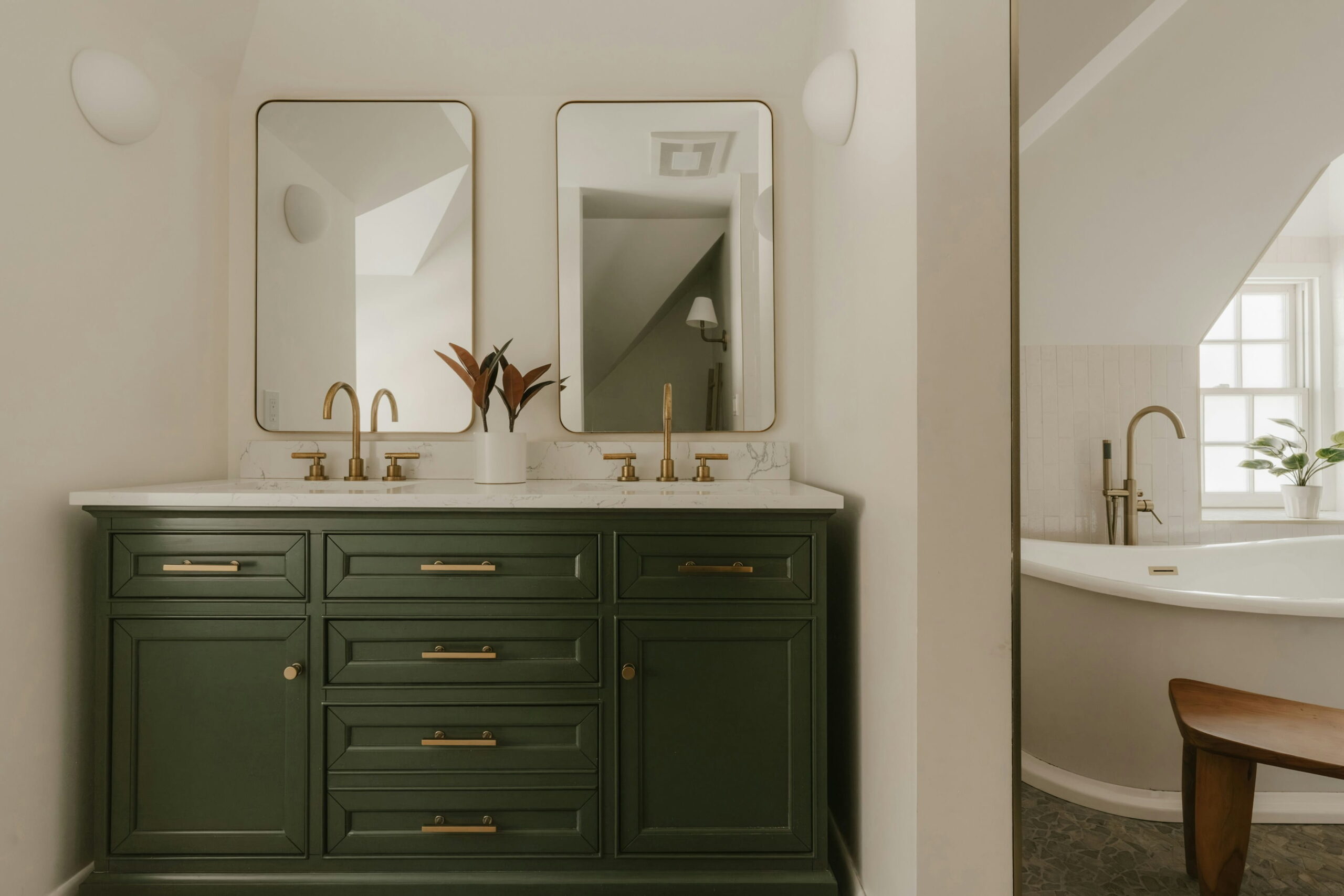
Whether in the kitchen or the bathroom, simply replacing cabinet handles can completely transform the look of the room on a budget, without replacing the furniture.
Take the opportunity to tie the look together by updating door handles, the showerhead, and faucets as well.
5. Replace light fixtures and switch plates
We don’t always realize it, but lighting transforms our living spaces into warm, functional areas full of character.
If you want to transform your interior, play with your lighting sources:
- Opt for recessed lights or pendant fixtures that deliver maximum visibility for your daily tasks.
- Replace your old, yellowed, or damaged wall plates with modern, stylish ones for a clean, cohesive finish.
- Replace your standard bulbs with warm-tone LEDs or adjustable smart bulbs.
- Install dimmer switches to control your light levels.
- Apply the rule of three by layering light sources at different heights for optimal visual comfort.
- Dissimulez une source lumineuse derrière un meuble pour obtenir un effet de halo.
- Brighten up dark corners with a floor lamp to make the room feel larger.
- Dare to use colorful or textured lampshades to diffuse the light and add a touch of character to your decor.
6. Give your cabinets a second life
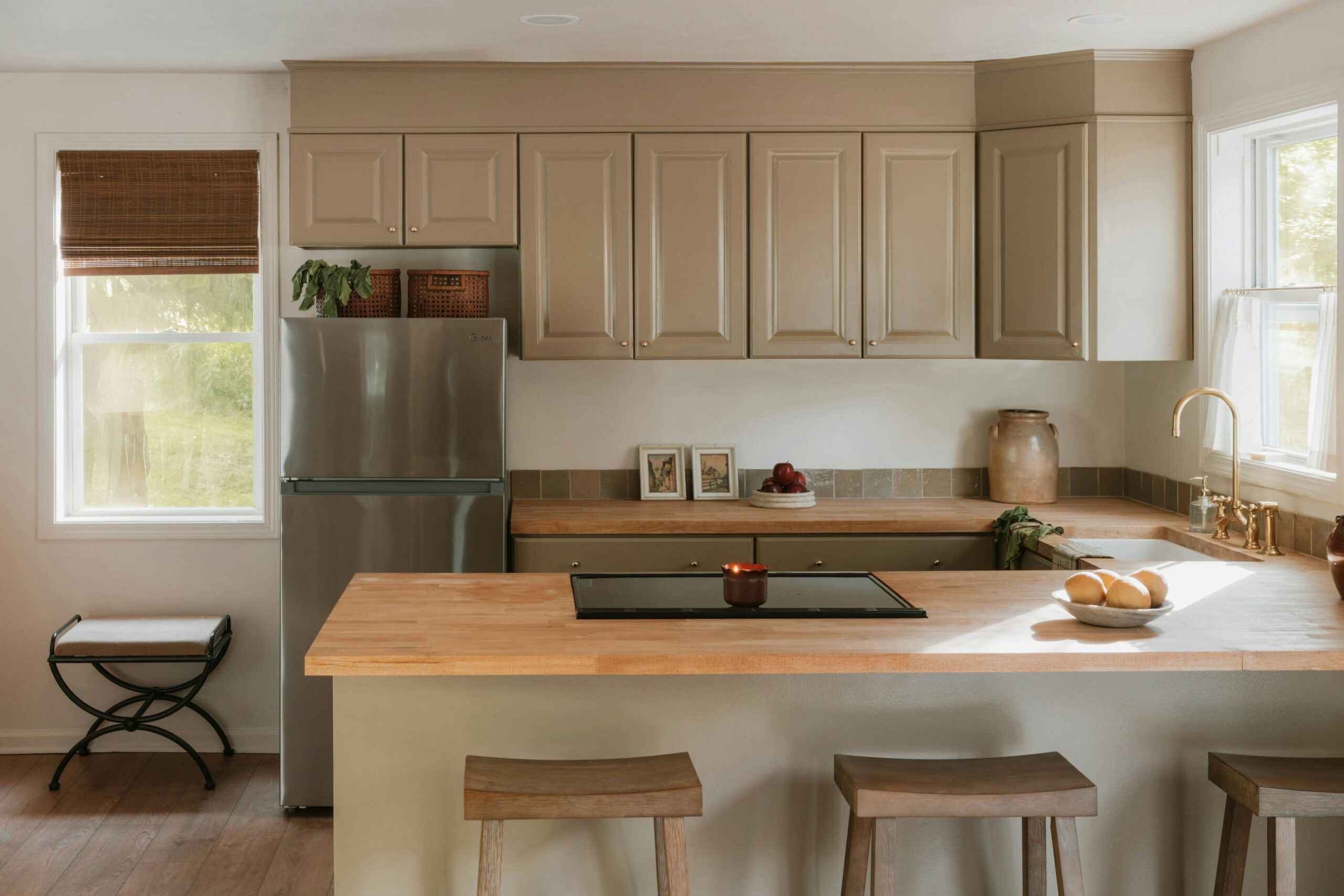
Are your cabinets functional, but showing their age? Before thinking about replacing the whole kitchen, consider a few targeted upgrades.
Depending on their material and condition, you may be able to sand and repaint the doors or apply a new finish.
The kitchen is often the very first room potential buyers look at and evaluate. To help them easily envision themselves living there, the goal isn’t to follow the latest trend, but to offer a clean, harmonious, and impeccably maintained space. A key asset if you are planning to sell in the near future!
7. Transform your outdoor space
Does your patio or balcony look a little dull? A few potted plants, well-maintained flower beds, an outdoor rug, new furniture, or even just a good deep clean can turn your yard into a major selling point during showings.